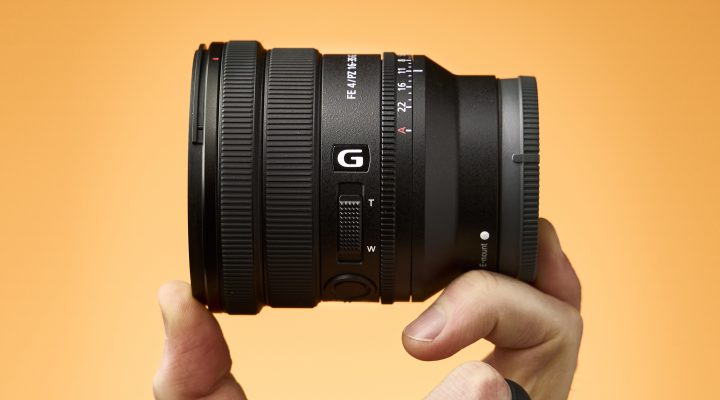
Yet another instant rebate is here. I have been considering picking up a Canon 70-200mm F4 for a while now and this would be the time to do it. Check out the lenses that are available with rebates from the link below.
There is so much gear out there for the DSLR shooter to choose from these days, and over the past year I have found 3 areas where you can save a ton of money and not compromise on quality. And yes there are other things to save money on but the items I want to talk about are necessities to every DSLR video shooter.
There are many great tools out there, but every now and then you come across one that changes how you shoot. Well, today I am sharing a review of one of those tools. Xume Adapters have changed the way I use filtration on my projects. What use to be a hassle when working with filters and multiple lenses, is now an effortless task.
Ethics Statement: I did not pay for this review unit. I am not being paid for this review.
UPDATE:
The guys from Xume contacted me and shared a solution to the lens cap issue:
We’ve already solved the lens cap issue: Pop your lens cap into a holder and it works great. We’re offering additional holders at discount with our kits so you can dedicate a holder or two to your lens cap(s).
I’ve always enjoyed Vincent’s training. He is a very good teacher While most of the time he is pretty intense, in this series on lenses he lets loose a little bit, hangs out at vimeo and dresses up in a viking costume…
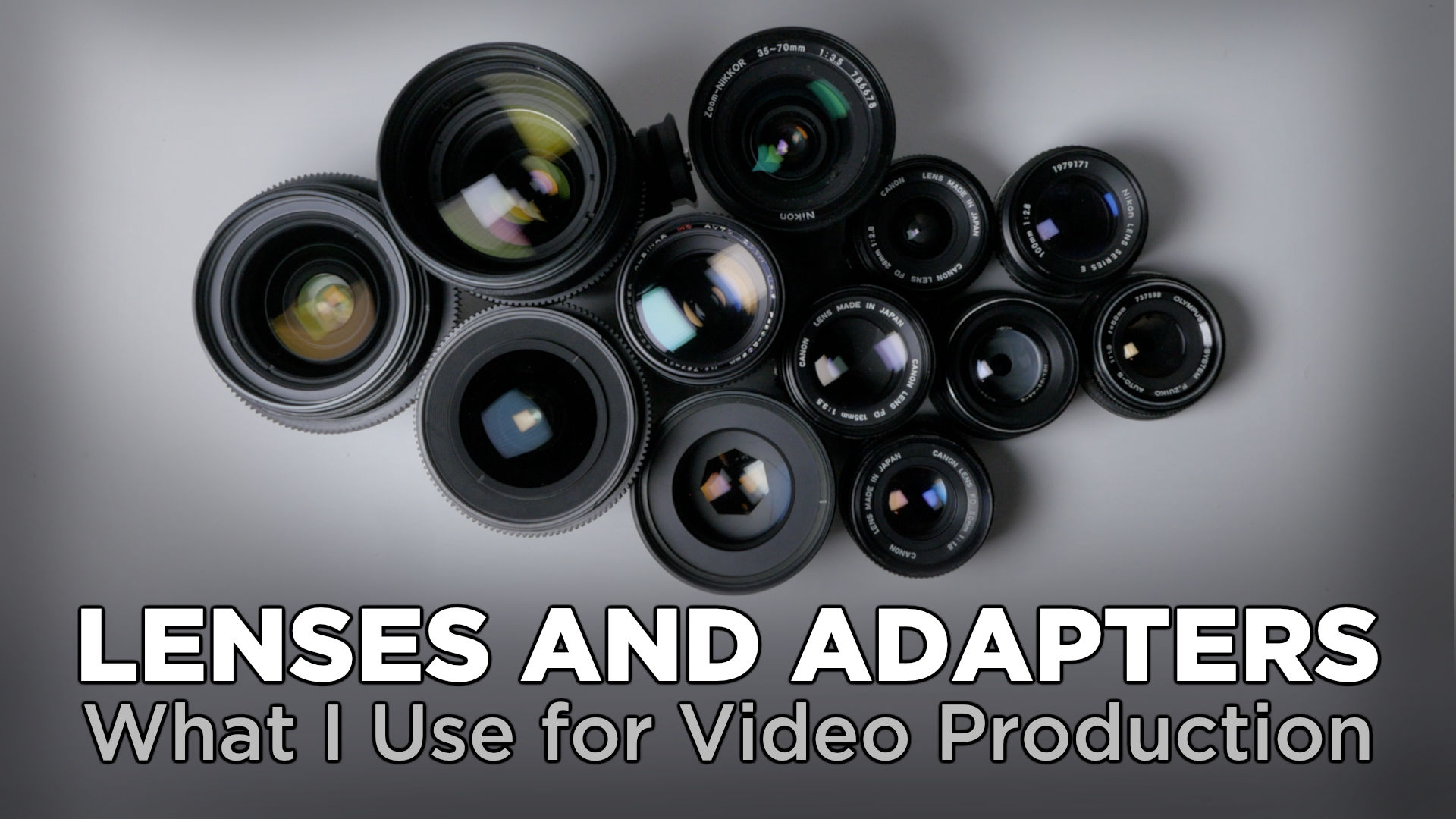
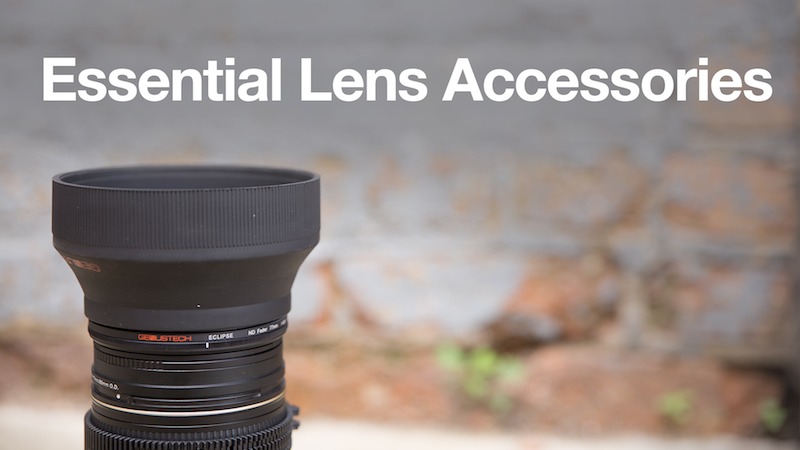
Over the past 2 years I’ve come up with a couple tips for making using photography lenses for video easier. I would love to hear what you do to prep your lenses for video production.
As more camera manufacturers develop larger sensor cameras, camera mounts, and lens systems I believe its wise to consider what mount type you invest in. I explain my plan in this episode.
For anyone who has not invested in a DSLR for video, now is the time to jump in. When I bought my Canon 7D in 2009, there were only 3 HDSLRs available. The 5D, 7D, and GH1. Not being able to afford the 5D I chose the 7D. But today there are over 10 different cameras available to us that shoot HD on a large sensor.
And to help kick off 2011, Canon and Nikon are having several rebates on their cameras. So if you are looking to start shooting with DSLRs, now is a great time to invest. Below is a list of available rebates through B&H.
Note: Canon Rebates only avalible until 01/08/2011 and Nikon rebates are running till the end of the month.
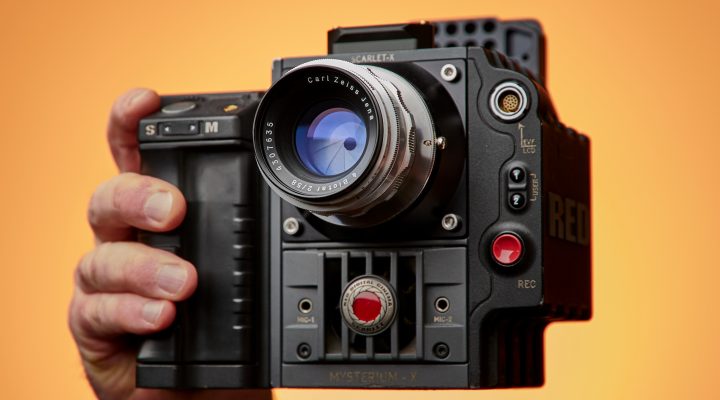
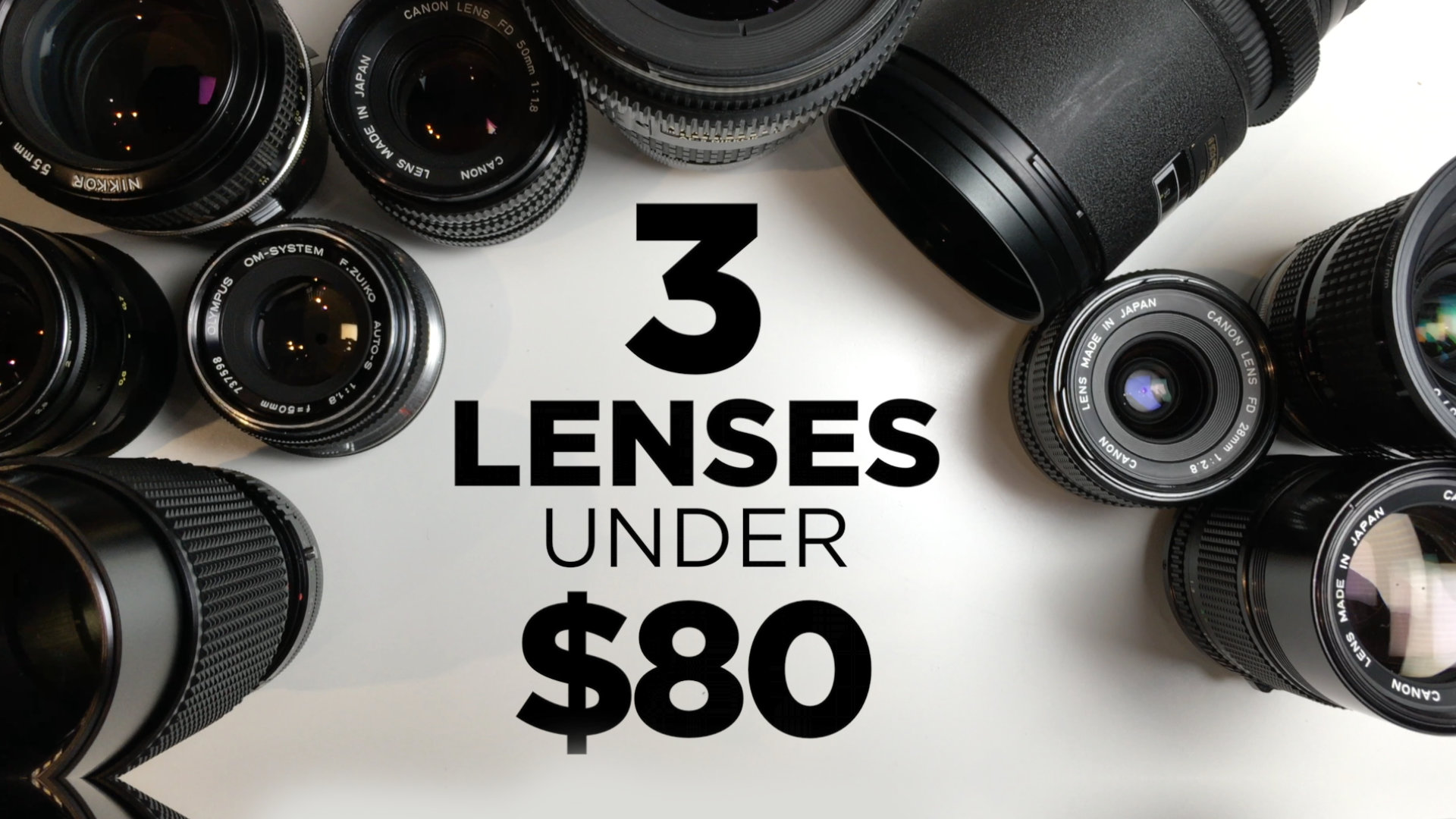
FD lenses are old manual Canon lenses that became almost completely obsolete by the EOS mount Canon cameras. What is so great about these lenses is their crazy low price. I picked up 3 lenses (50mm F1.8, 135mm F2.8, 80-200mm F3.9) for $50 on ebay.
To use these lenses with your Canon EOS camera you will need an adaptor. I had heard bad things about the cheapo adaptors so I picked up the Fotodiox FD to EOS for $30 which works great. I have already dropped it and it took it well.
The Project: A Couple months ago I was approached by Director Kaj Kjellesvig to help shoot a music video. The Goal for this video was to create a vessel to generate ad revenue and encourage people to donate towards the National Multiple Sclerosis Society.
With HDSLRs, and now large sensor video cameras, those of us who shoot video have blessed with the ability to shoot insanely shallow depth of field (DOF). For the last 12 months we have been bombarded with videos shot at F1.8 and faster, and while shallow DOF can look gorgeous I believe a lot of people have not fully harnessed the power, and use, of depth using their lenses aperture.
So rather than complain about it, here are some points I have been learning about DOF in my journey as an ever-aspiring filmmaker. Read the full article →