8 Simple steps for getting started with DSLR video.
Alex Maximov recently messaged me with this question:
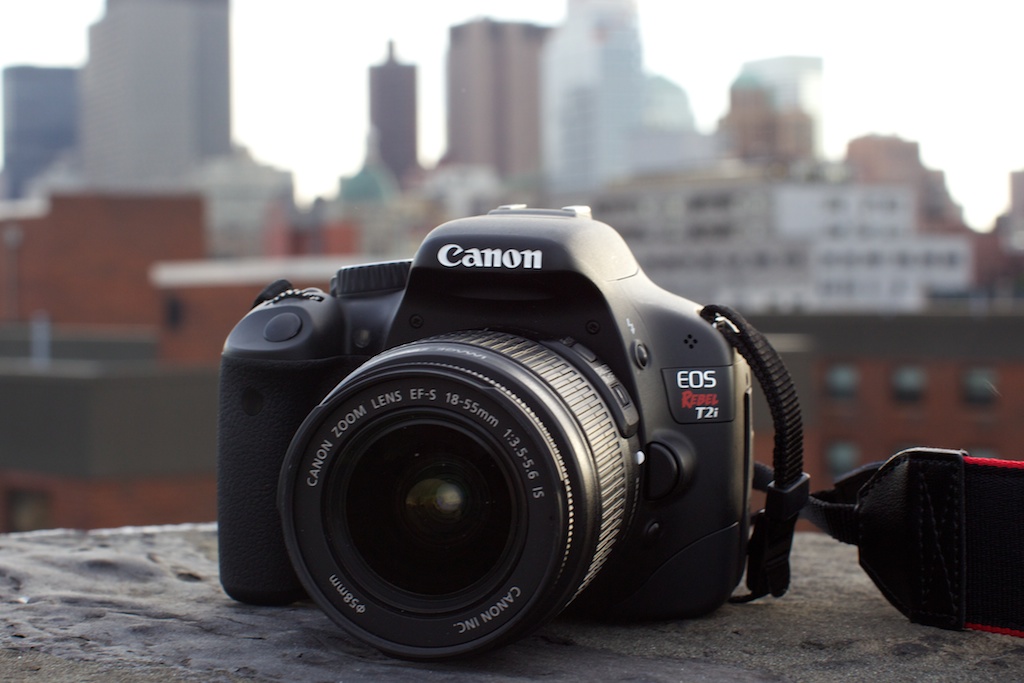
“I am getting into DSLR stuff and I am thinking of buying Rebel t2i camera.
What would be your advice for me as a beginning cinematographer?…”
I have been receiving a lot of emails from people asking where to start with learning DSLR video. This guide is my answer to those interested in getting started. This is also the process that got me started.
Should You switch to DSLRs?
Before you fully commit to shooting video with DSLRs, you should ask yourself why. Is it because you want more manual control, Lens selection, or because DSLR are hot? If you answer with the latter you are in for a painful, disappointing reality. While DSLRs seem to be the bee’s knees, you will quickly find them to demand a whole other level of discipline you aren’t ready, or want to engage in.
But if you are interested in more manual control and options to refine your footage, have a learners attitude, and are willing to work with the cons of shooting DSLR, your ready to jump in.
1. Choosing a DSLR
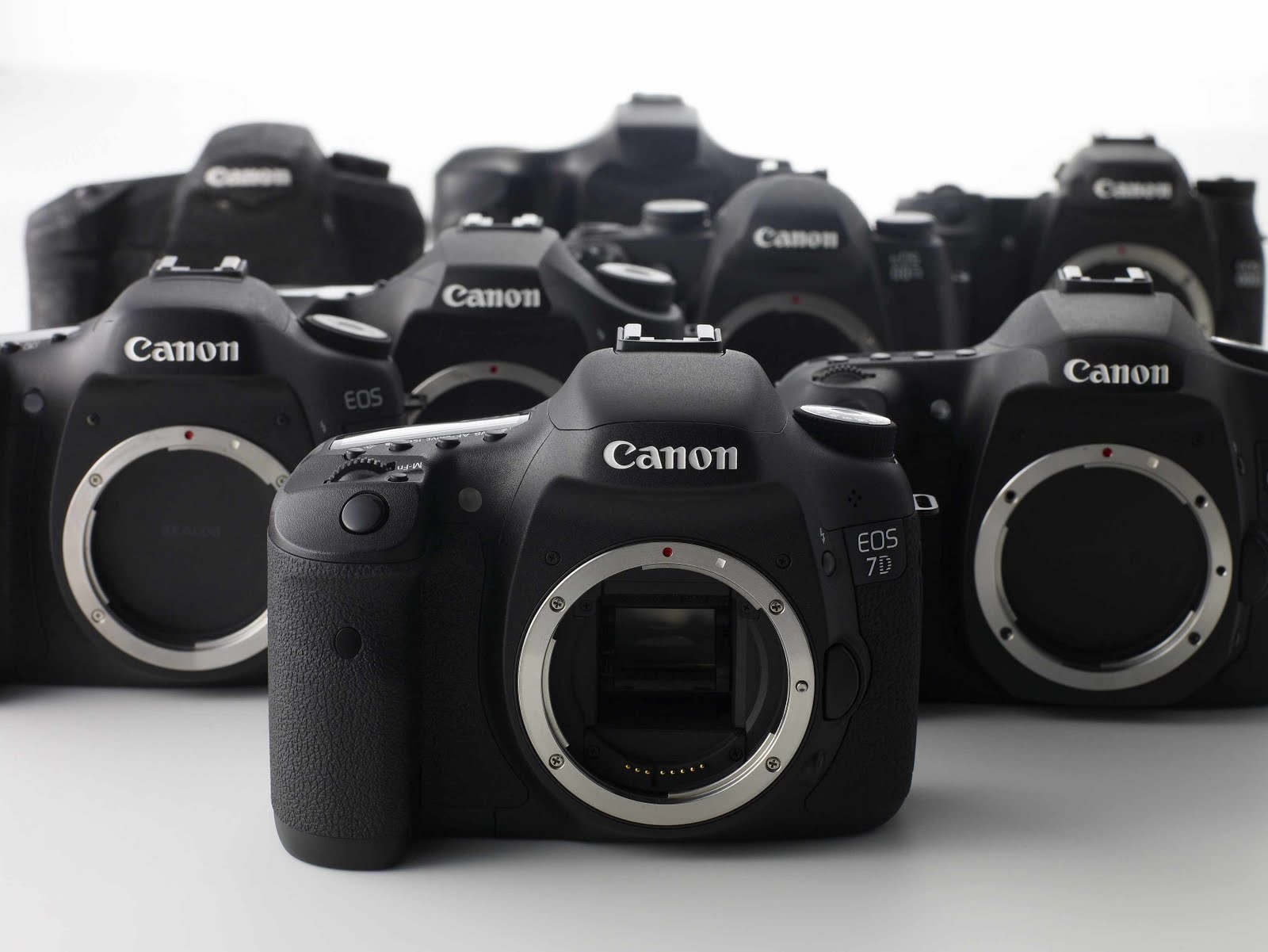 While this question seems like a daunting, it is rather simple. How will you use it. Before you begin to spend weeks studying the specs consider your current situation. Are you a student, hobbyist, or someone looking to switch fields? Than seriously consider a Canon T2i or Nikon D3100 (when it comes out). If you are a video professional, full time filmmaker/photographer, than the Canon 7D or 5D will be a more reasonable choice for you. Also consider if you will be making money with it or not. A lot of people I talk too say they are waiting until X camera comes out or until they can afford Y camera, but in reality they could have bought a T2i landed some jobs and been on their way.
The Point is don’t get hung up on the camera. I have worked a lot with the Canon T2i and consider it to be totally proficient for most situations. You can’t go wrong with this sub-$1000 camera. Get what you need not what you want and start shooting.
2. Learn the Camera
 Of course buying a camera won’t make you a pro, so the next step is learning these cameras. Before I bought any lenses I purchased Philip Bloom’s Learn 2 Shoot Great Video On Your Canon 7D DVD. I highly recommend this for anyone. Phil really did a stellar job putting this together. He does offer a 5D training DVD as well. As you learn more about the camera you with become more comfortable with it. Also be sure to work through Ryan Koo’s The DSLR Cinematography Guide. Once you are well acquainted with your camera, you can fully focus on what your shooting and not what buttons to push.
3. Learn About Cinematography
 To this some will respond “But I’m not going to be a cinematographer” Great! Now go learn cinematography… To really get the most out of these cameras you need to understand a few key concepts. What is depth of field? And more importantly how does one use it? What is the 180 degree shutter rule? Once you begin to understand and master these concepts, you will see the quality of your footage skyrocket. I highly recommend Blain Brown’s Cinematography: Theory and Practice for Cinematographers, Directors, and Videographers
4. Figure Out What You NEED
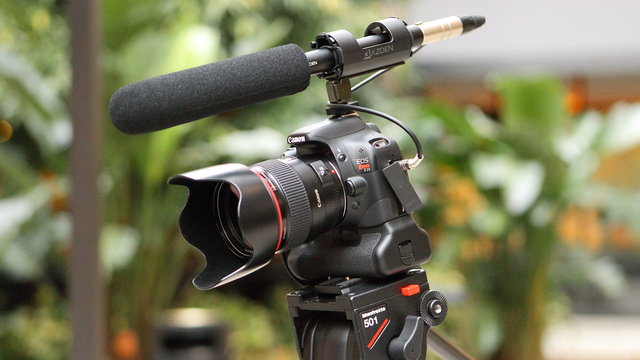
 Once you understand how to use and move your camera, you will start to see what you are going to need gear wise. We all want the Laforet Kit, but in reality we don’t need all that stuff. Most of my film, doc, video, and commercial work have been shot with a decent tripod, a fast 50mm and thats it. A great resource to help you figure out what YOU need is Adriel Brunson’s DSLR Buyers Guide. Its a 50 page guide walking you though some choices.
Basically, the “Needs” need to trump the “Wants.”
5. Practice Practice Practice
 Once you are comfortable with the camera and concepts, its time to create something. By create something I don’t mean test videos. Create challenges for yourself. Create a visual short and lock the aperture at one level, experiment with shutter speed while shooting a sport or shoot a short action scene with friends, shoot a short sequence of camera shot locked down on the tripod. The point is create a really project to share with others and try new things. Even if it is a total flop you will learn from it.
6. Ask for Critiquing
 Once you have something you would like to share, ask some people to critique it. Be open to their comments. Mentorship and collaboration are a huge part of creating visual art. Harness the power of the internet and video groups like Vimeo, and Exposure Room. If someone constructively rips your video, lick your wounds and apply what your learned to your next project.
7. Learn More
 Now that you have studied, practiced and feel like your getting there, hit the learning circuit again. There are TONS of online resources for learning more about HDSLR uses, workflow, lenses, data rates etc. Don’t be afraid of it all. Embrace it and take it all in a step at a time.
8. Repeat Steps 5-7
You’ve arrived. Now start it all over again ;)
If you found this post helpful please consider using our B&H link for your next purchase to support future original content. Thank you so much!
– Caleb Pike